


Practical information · Sorrento
Sorrento Travel Tips and Useful Information
Emergency numbers, hospital, pharmacies, weather, getting around and handy practical tips: everything you need to know before visiting Sorrento.
3 min read
A trouble-free holiday in Sorrento needs just a few pieces of information: in an emergency call 112, and for medical help 118; the town has a hospital with an emergency department and several pharmacies; the centre is easy to explore on foot, and nearby villages can be reached by train, bus or boat. Below are the numbers to keep at hand and practical advice to help you plan.
Emergency numbers and health
Emergency numbers are free and can be called from a mobile phone even without credit:
- 112 European emergency number and Carabinieri
- 113 State Police
- 115 Fire Brigade
- 118 medical emergencies and ambulances
- 1530 Coast Guard, for emergencies at sea
Sorrento's Santa Maria della Misericordia hospital, on Corso Italia, has an emergency department. Pharmacies post their night and holiday opening rota on the door; for minor ailments the pharmacist is the first point of contact. If you are on medication, bring what you need together with the prescription or the name of the active ingredient. EU citizens can use the European Health Insurance Card; other visitors are advised to take out travel insurance.
When to go and what the weather is like
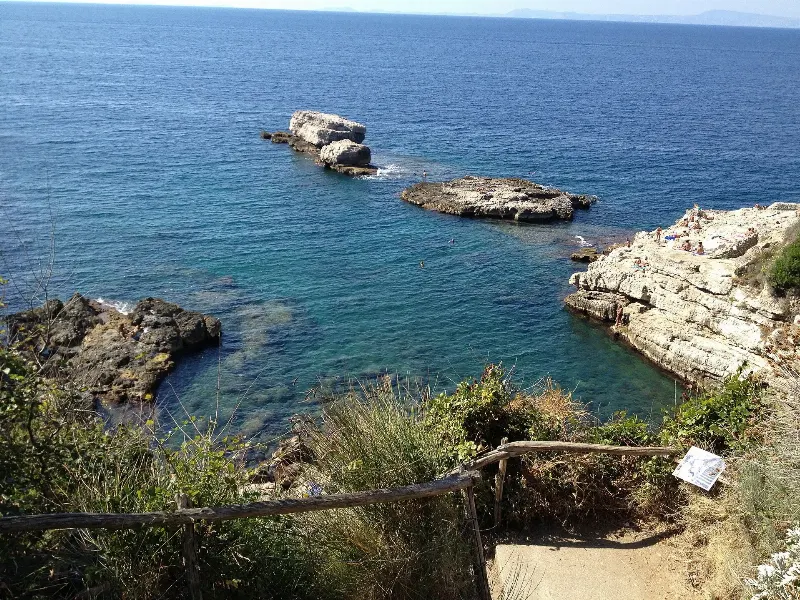
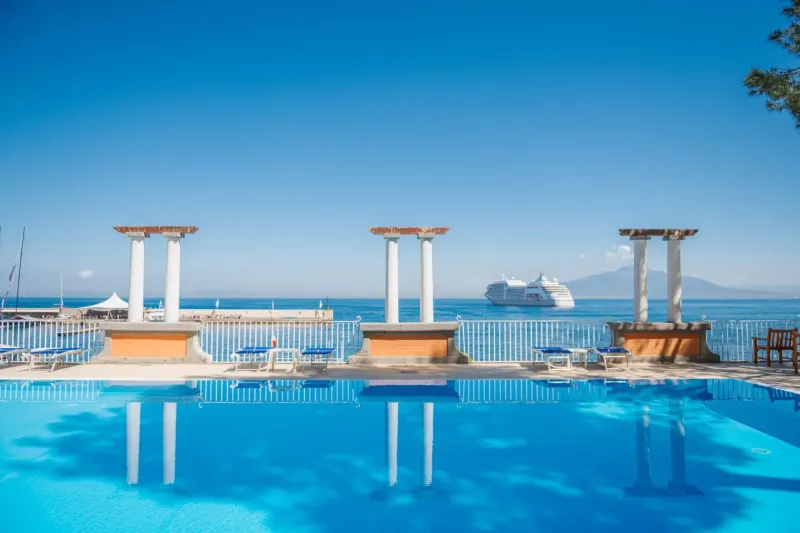
Sorrento has a Mediterranean climate: hot, sunny summers and mild, rainy winters. Spring and autumn are the most pleasant times to wander the lanes, climb to the viewpoints and go on excursions, with comfortable temperatures and fewer crowds. July and August are the months for the sea, but also the busiest: book accommodation, restaurants and transport well ahead. The beach clubs, with their distinctive jetties over the water, operate mainly in the warmer months; to choose where to swim, read the page on Sorrento's beaches. Winter has its charm too, with the religious feasts and Holy Week described in traditions and events.
Getting around town and the surrounding area
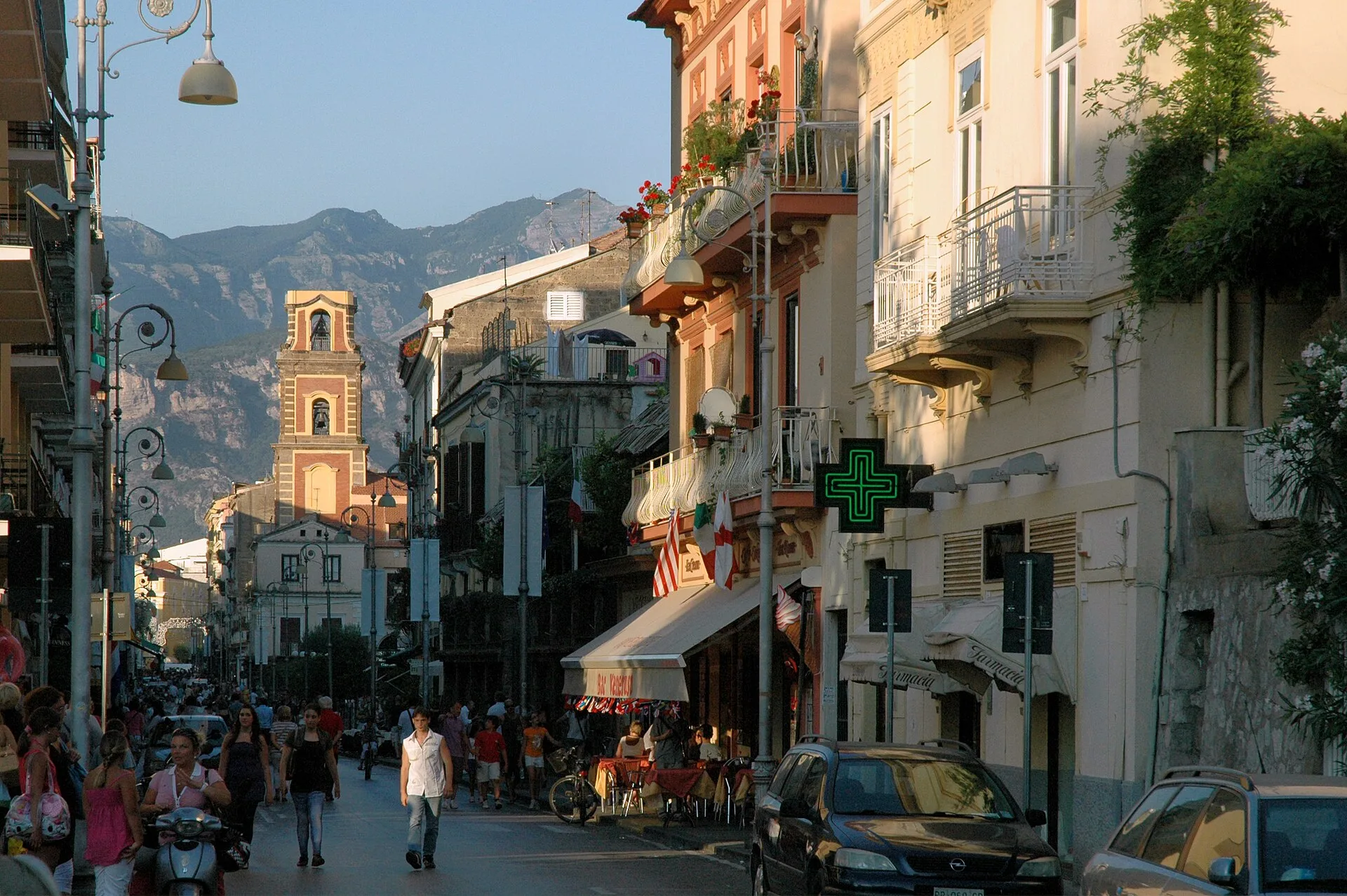
The old town is compact and largely pedestrian: from Piazza Tasso you can walk to the cathedral, the lanes of Via San Cesareo, the Villa Comunale and the fishing village of Marina Grande. Bear the gradients in mind: the port and the beaches lie below the cliffs and are reached by steps, a lift or shuttle bus. For the villages of the peninsula and the Amalfi Coast there is the Circumvesuviana train, scheduled buses and, in the warmer months, boat connections. If you arrive by car, remember that the centre is a limited traffic zone. Full details on trains, buses and hydrofoils are on the page how to get to Sorrento.
Money, plugs and handy tips
- Payments: the currency is the euro; cards and electronic payments are accepted almost everywhere, but it is useful to carry some cash for small purchases, tips and markets.
- Tourist tax: the town charges a fee for each night of your stay, collected directly by the accommodation.
- Electricity: the voltage is 230 volts and sockets are Italian (type L) and German (type F); for other standards you need an adapter.
- At restaurants: the bill may include a cover charge (coperto); tipping is not compulsory and is at your discretion.
- In churches: cover your shoulders and legs and respect any services in progress.
- Shops: many shops in the centre stay open into the evening, especially in season, while some close in the early afternoon.
Tourist information
For maps, events and updates on opening hours and services, you can visit the town's tourist information offices and check the official websites of the Comune di Sorrento and the transport companies, which publish up-to-date timetables and notices. To find the right place to stay, see our list of hotels in Sorrento, and for the sea, our list of beach clubs and beaches.
Gallery 3 photos
Sorrento Travel Tips and Useful Information
01 · Photo: DimiTalen, CC0 02 · Photo: Berthold Werner, CC BY-SA 3.0 03 · Photo: Xocolatl, CC BY-SA 3.0