

History and traditions · Sorrento
Henrik Ibsen in Sorrento: the playwright and Italy
The father of modern drama spent many years in Italy and worked on Peer Gynt in Sorrento: the life of Henrik Ibsen and his bond with the town.
2 min read
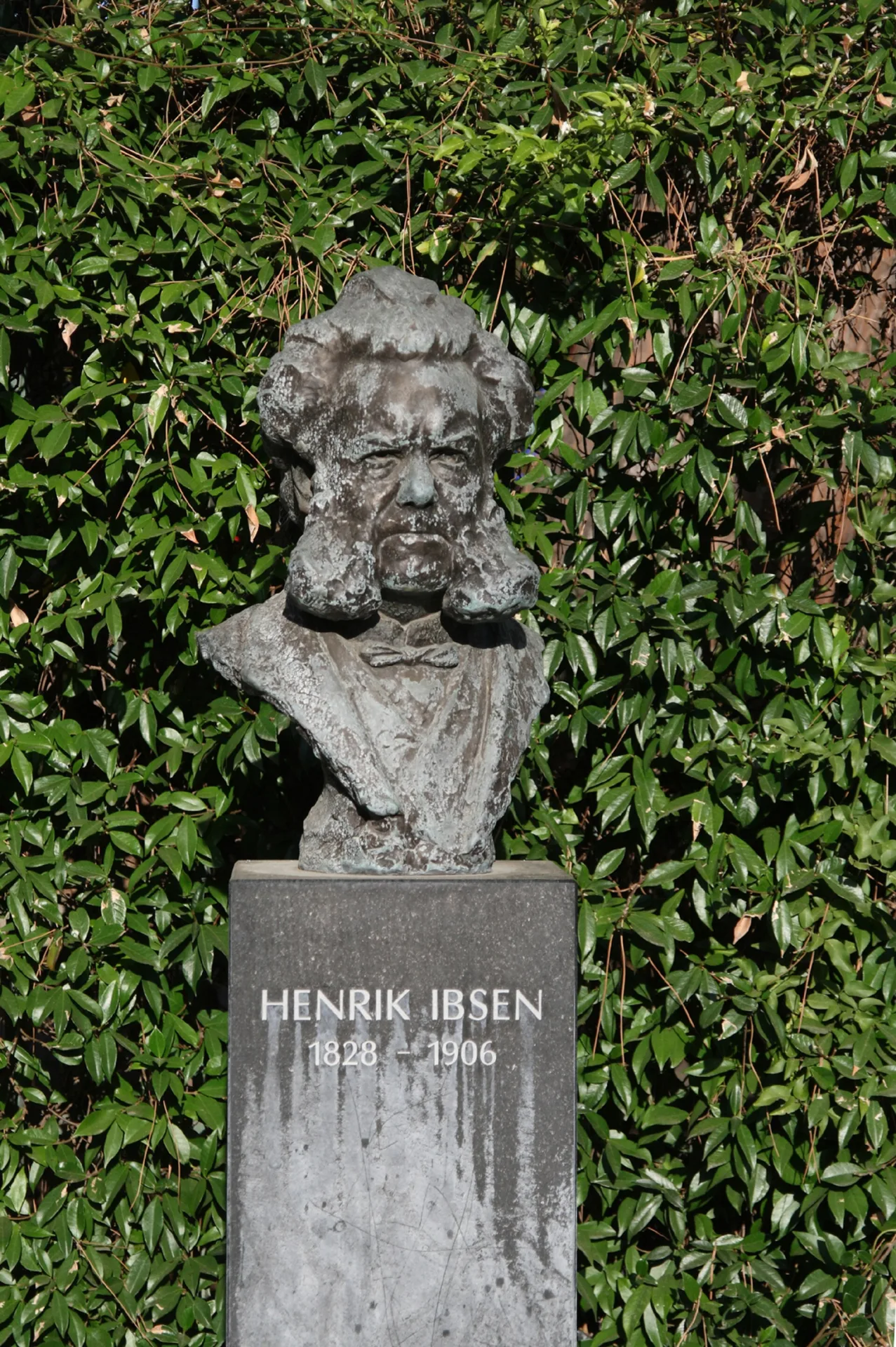
Among the great travellers who left their mark on Sorrento is Henrik Ibsen, the Norwegian playwright regarded as one of the fathers of modern drama. For him Italy was far more than a destination: he lived there for years and wrote some of his most famous works there, and a bust in the town still recalls his stay.
From the pharmacy to the theatre
Ibsen was born in Skien, Norway, in 1828 and died in Kristiania, today's Oslo, in 1906. The son of a well-off shipowner and merchant, he had to work as a pharmacist's apprentice at a very young age after his father's financial ruin. He soon turned to writing plays and ran theatres in Bergen and Kristiania, learning his trade as a man of the stage before making his name as an author.
The Italian years
From 1864 to 1868 Ibsen lived in Italy, where he wrote two key works, Brand and Peer Gynt: it was in Sorrento that he worked on part of the latter, the dramatic poem that became one of the defining texts of Norwegian literature. He returned to Italy for a second long stay between 1879 and 1883, during which A Doll's House and Ghosts were written.
In Ibsen's art the ideal clashes with the real: his plays are shot through with a relentless critique of society's hypocrisies and a pessimistic tone that weighs on his characters' lives. The result is an extraordinary gallery of female portraits, beginning with Nora, the heroine of A Doll's House.
Nora and the tarantella
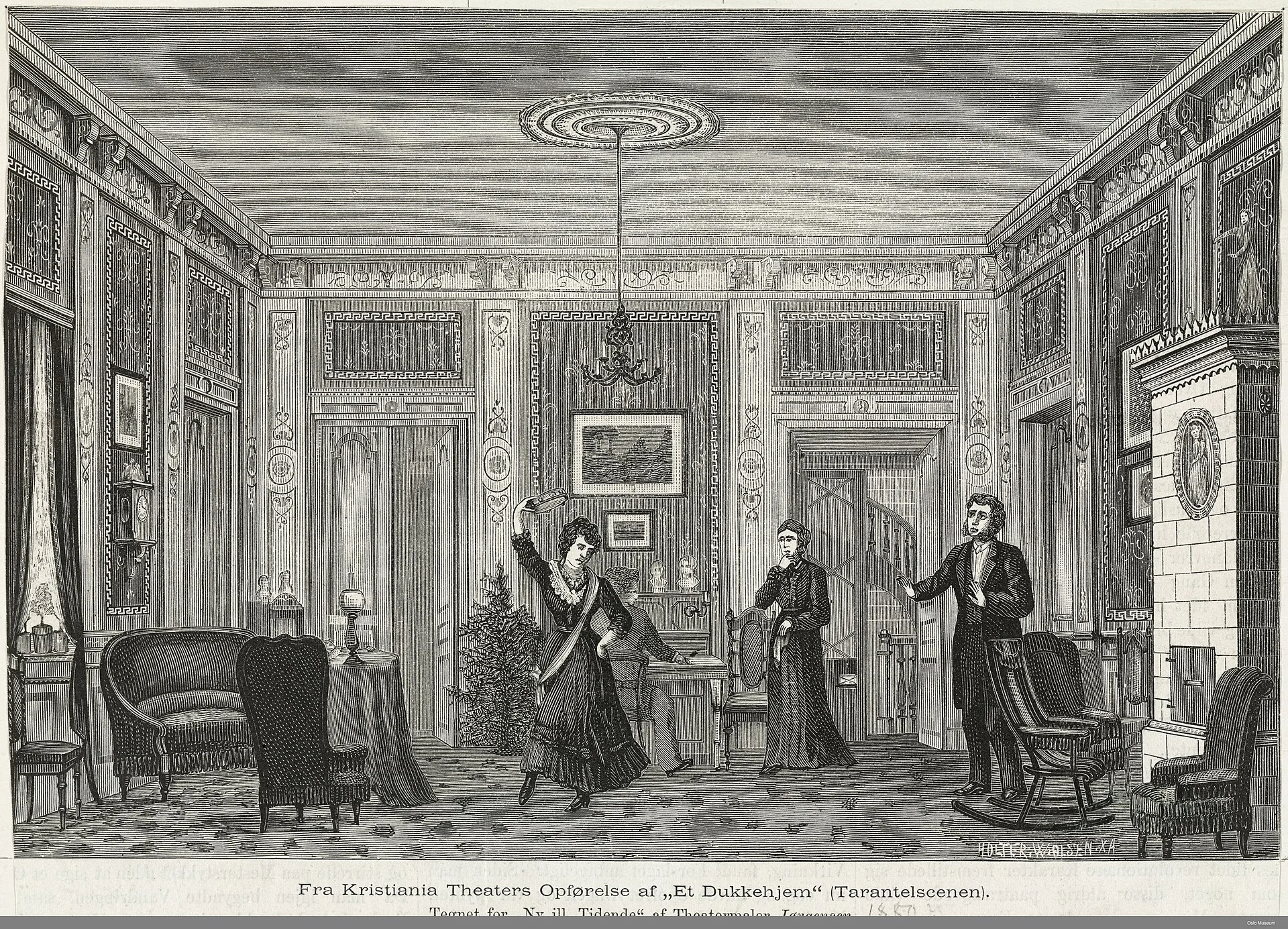
The clearest trace of southern Italy in Ibsen's drama is perhaps in A Doll's House (1879) itself: in one of its most famous scenes Nora dances a wild tarantella, a moment in which the dance lays bare all her tension and suppressed sensuality. To discover the dance's history and meaning, read our feature on the tarantella.
Ibsen is just one of the many writers, philosophers and musicians who chose Sorrento: we tell the stories of others among the famous people of Sorrento, while the history of Sorrento sets the age of the great travellers in context.
Gallery 3 photos
Henrik Ibsen in Sorrento
01 · Photo: Jørgensen, CC BY 4.0 02 · Photo: Daniel Georg Nyblin (1826–1910), Public domain 03 · Photo: Remi Jouan, CC BY-SA 3.0