

History and traditions · Sorrento
History of Sorrento: from myth to today
From the myth of Ulysses to Roman villas, from the medieval duchy to the Turkish raid of 1558 and 19th-century travellers: the story of Sorrento.
4 min read
Sorrento has almost three thousand years of history: it began as an Italic settlement open to Greek influence, became a Roman municipality and a holiday retreat for patricians, then an independent duchy in the Middle Ages, a fortified town after the Turkish raid of 1558 and, from the 19th century, one of the favourite destinations of travellers and artists. Here are the key chapters, and where to find them today as you stroll through the centre.
Origins between myth and archaeology
The Greek historian Diodorus Siculus credited the founding of the town to Liparus, son of Auson, who according to myth was himself the son of Ulysses and the sorceress Circe. Legend aside, the area was inhabited by Italic peoples as early as the 7th–6th century BC and came under strong Greek influence: witness the cult of the Sirens, which may have given the town its Latin name, Surrentum, and the sanctuary of Athena at the far tip of the peninsula, today the archaeological area of Punta Campanella. Later the area was controlled by the Samnites and, after the Social War (91–88 BC), Sorrento became a Roman municipality.
Surrentum, the holiday retreat of Roman patricians
In the age of Augustus the whole Bay of Naples, from the Phlegraean Fields to the peninsula, filled up with villae maritimae: luxury residences with a private landing, terraces over the sea and often a farm where oil and wine were produced. In his Silvae the poet Statius praised the villa of his friend Pollius Felix at Capo di Sorrento, whose remains can be visited at the Bagni della Regina Giovanna. The streets of the old town still follow the Roman grid: the decumani correspond to Via Pietà and Via San Cesareo. The eruption of Vesuvius in AD 79, which buried Pompeii, Herculaneum and Stabiae, also struck the Sorrento coast, but the town survived.
The medieval duchy
Already a bishopric in the 5th century, after the fall of the Western Empire Sorrento remained in the Byzantine orbit and withstood Lombard sieges. From the 7th century it was a small duchy, long tied to Naples, that had to defend itself against the Saracens (its fleet fought at the Battle of Ostia in 849) and to protect its independence from neighbouring Amalfi. Its autonomy ended with the Norman conquest, completed in the 12th century: from then on Sorrento shared the fate of the Kingdom of Naples. From those centuries survive the palaces of Via Pietà, the bell tower of the Cathedral and the cult of the patron saint Antoninus, an abbot who died in Sorrento in 625.
The 1558 raid and the new walls
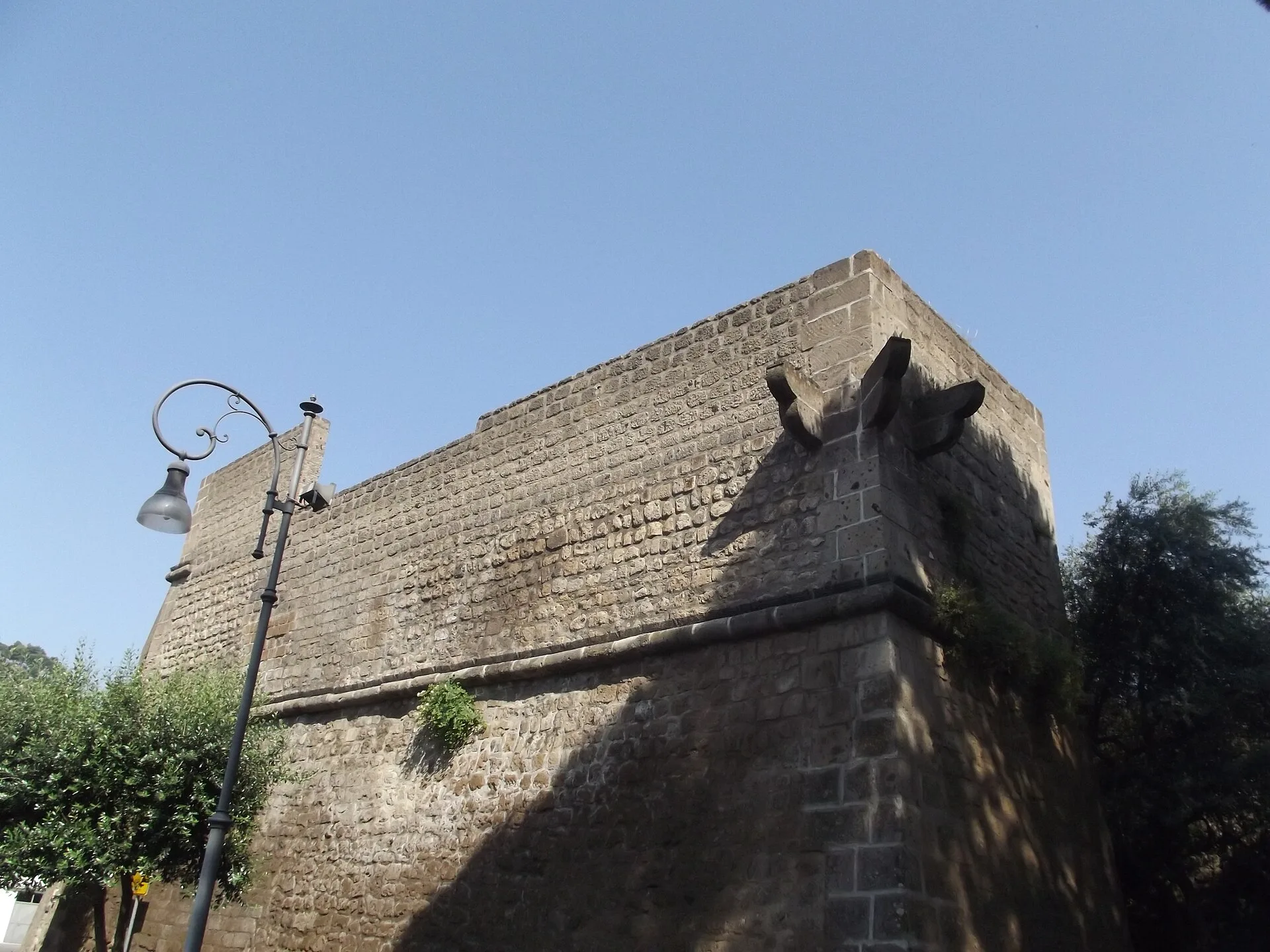
On 13 June 1558 the Ottoman fleet led by Piyale Pasha attacked the town, sacked it and carried hundreds of inhabitants off into slavery; according to tradition, the gates were opened by a treacherous slave. The cathedral was badly damaged and ancient archives and documents were lost. To prevent another tragedy, the people of Sorrento rebuilt and strengthened the town walls, of which clearly visible stretches survive, together with the Parsano bastion along Via Sersale. The following century brought further trials: in 1648, in the unrest that followed Masaniello's revolt, the town withstood a siege by rebels led by Giovanni Grillo, and in 1656 the great plague struck the population hard.
From the 19th century to international tourism
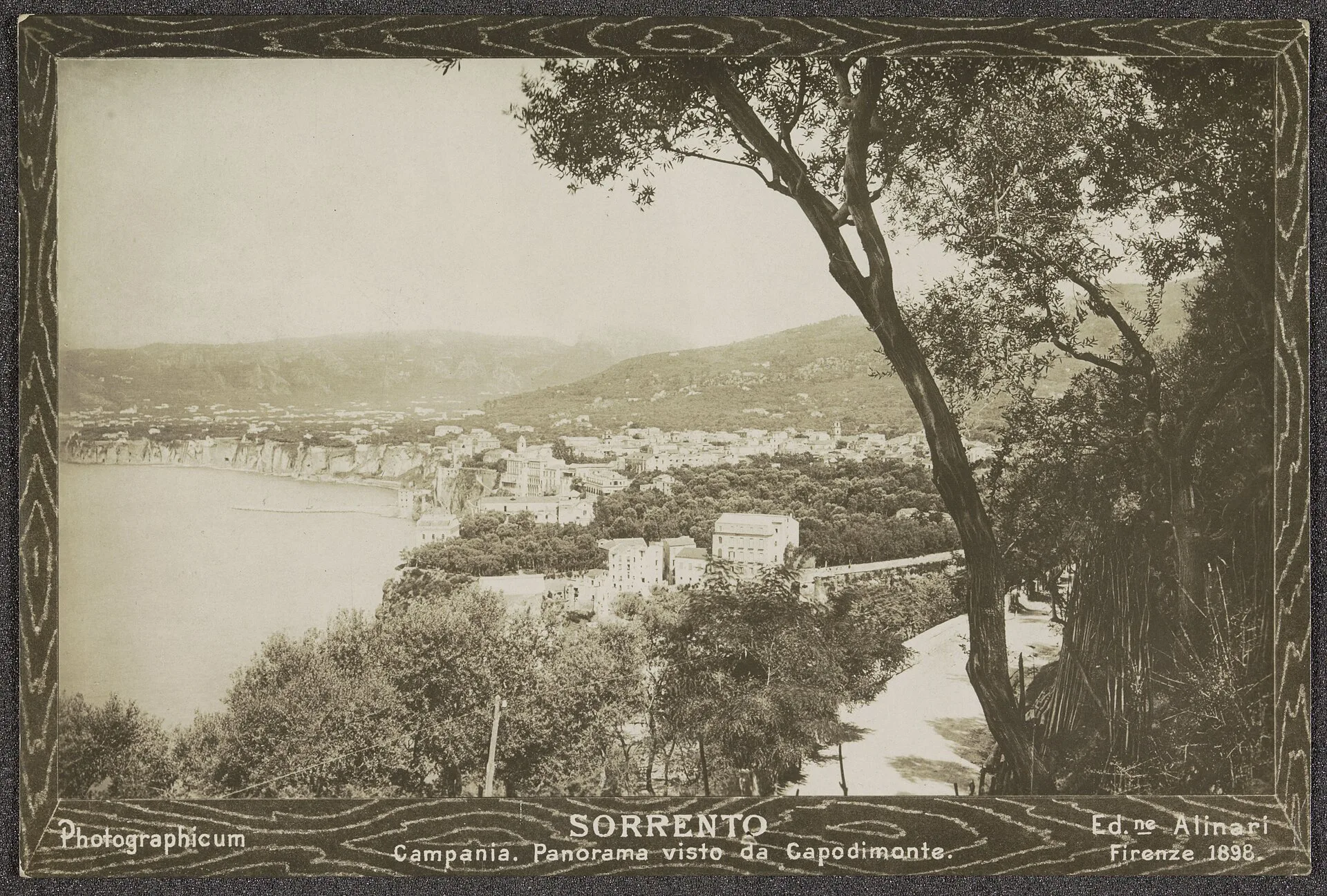
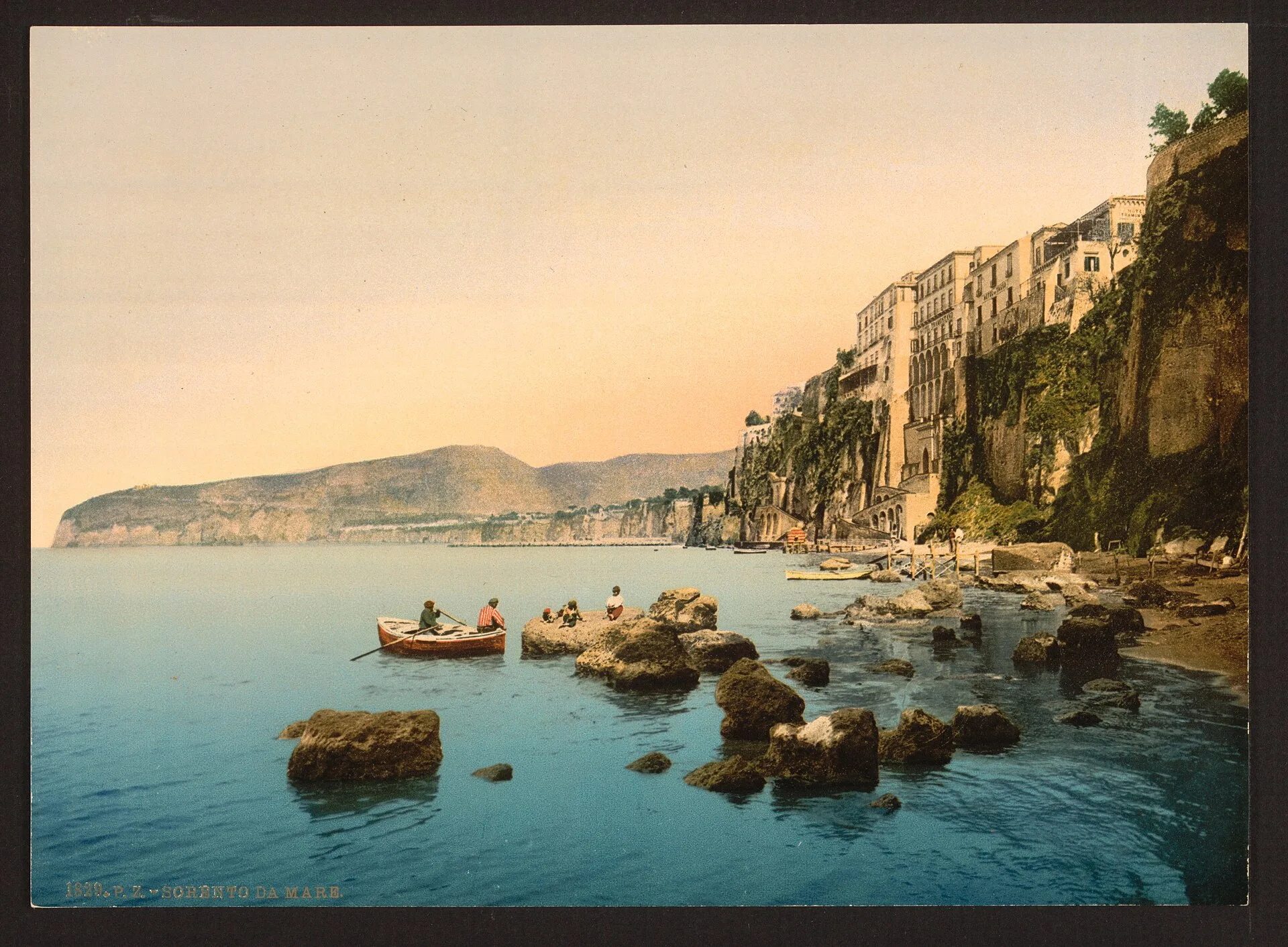
In 1799 Sorrento joined the short-lived Neapolitan Republic and saw fighting between republicans and Bourbon loyalists. Back under the Bourbons, the town changed its face in the 19th century: a carriage road was opened along the coast from Castellammare, Piazza Tasso took shape and later Corso Italia shifted the centre of town life. With the plebiscite of 1860 it became part of united Italy. By then it had become a must for travellers and artists: Henrik Ibsen, Friedrich Nietzsche and Richard Wagner stayed here, and later Maxim Gorky, while the song Torna a Surriento carried its name around the world. To get to know them better, read our feature on Sorrento's famous people.
Where to experience history first-hand
Half a day on foot is enough to retrace these centuries. Start from Piazza Tasso, walk along Via Pietà to the Cathedral, continue along Via San Cesareo to the Sedil Dominova, then head down to the Basilica of Sant'Antonino and the Cloister of San Francesco. For the art collections, furniture and porcelain of Sorrento's old families, the Museo Correale is not to be missed: check opening hours and tickets on the official website, www.museocorreale.it. If you want to stay a few days, you will find hotels and guesthouses in the centre, within walking distance of all these places.